

What You'll Learn
Why no single glass is "correct" for agave spirits — and what each vessel actually does
How glass shape affects aroma concentration, alcohol perception, and mouthfeel
The six most useful glasses for tequila and mezcal, from traditional copitas to modern purpose-built options
Which glass works best for high-proof pours, formal evaluation, and casual enjoyment
Why consistency in glassware matters more than chasing the perfect vessel
In the world of agave spirits, people love to debate the details. Terroir, production methods, additives — and increasingly, glassware. Scroll through social media or attend a tasting and you'll see everything from traditional copitas to some genuinely wild vessels, each presented as the only correct way to drink agave.
The truth is simpler. Glassware does matter — but not in the rigid, rules-based way it's often discussed.
Different shapes change how a spirit presents itself. A narrow opening concentrates aromas. A wider bowl allows a spirit to breathe and soften. These differences are real, especially if you're paying close attention. But the conversation shouldn't be about finding the perfect glass. It should be about understanding what each glass does well, where it falls short, and — most importantly — what works for you.
Here are the vessels I use most, and what you can expect from each.
Does the Copita Deliver an Authentic Agave Experience?

One of the most traditional vessels used in Mexico, the copita is simple, functional, and deeply rooted in agave culture. It's been used for generations — not because it's the most analytical tool, but because it keeps you honest. In my experience, the copita offers a lighter, softer nose without over-concentration. It feels connected to the spirit and its origins.
Shapes, sizes, and prices vary widely, but most copitas are affordable and easy to find. If you want to drink the way the producers drink, start here.
Best for: Blancos, everyday sipping, staying connected to tradition
Is the Veladora Glass More Than Just a Shot Glass?

At first glance, the veladora looks like a shot glass — and that's exactly why it gets overlooked. But its wide, open shape is entirely intentional. You won't get a tightly focused aromatic hit, and that's the point. The veladora lets a spirit open up naturally, creating a softer, more approachable experience. It's less about analysis and more about enjoyment.
Worth noting: some people simply use tea light candle holders, which are nearly identical in shape. Prices range from $8 to $30 for purpose-made versions.
Best for: Casual enjoyment, sharing bottles, social occasions
📌 The One Rule That Actually Matters
No matter which glass you choose, consistency is more valuable than perfection. Using the same vessel over time creates a reliable baseline. You stop reacting to how the glass changes the spirit and start actually understanding the spirit itself. Pick a workhorse glass for evaluation and stick with it. Brad's is the Glencairn. Yours doesn't have to be — but pick one and own it.
Why Is the Glencairn My Go-To Evaluation Glass?

Built for whisky evaluation, the Glencairn has crossed over decisively into agave circles — and for good reason. Its narrow opening pushes aromas directly toward the nose, making it easier to isolate and analyze individual notes. When comparing pours or scoring a spirit, it's an invaluable tool.
That said, the Glencairn can amplify alcohol, sometimes coming across as aggressive with higher-proof expressions. Precision comes at a cost — this glass is exacting, not always forgiving. But it's widely available, and usually priced around $10.
Best for: Formal evaluation, scoring, side-by-side comparisons
Can a Wine Glass Actually Work for Agave?
A wine glass is one of the most practical crossover options. The larger bowl gives the spirit room to open, while still guiding aromas upward. The stem prevents heat transfer from your hand, which genuinely matters for agave spirits — especially over a long session.
The downside: wine glasses tend to be too open for agave, and their generous size encourages larger pours than necessary. You can end up drowning the aromatics rather than identifying them. Still, if a wine glass is what you have, it will do the job. Use the smallest one you have.
Best for: Aged expressions, situations where proper agave vessels aren't available
Is the Denver & Liely Agave Glass Worth $45?

Designed specifically for agave spirits, t features a bulbous base and a wide, flared opening. That opening can allow some aromas to escape — but it truly shines with higher-proof pours, where concentration can otherwise become overwhelming. The thick base slows heat transfer noticeably, making it comfortable to hold for extended tastings.
At $45, it's the most expensive glass in this lineup. But for high-proof tequila, mezcal, sotol, raicilla, and other agave distillates, it has become my preferred vessel. If you're serious about the category and drink a lot of high-proof expressions, it earns its price.
Best for: High-proof expressions, mezcal, extended tasting sessions
What Makes the Chisholm Trail Jarritos Different?
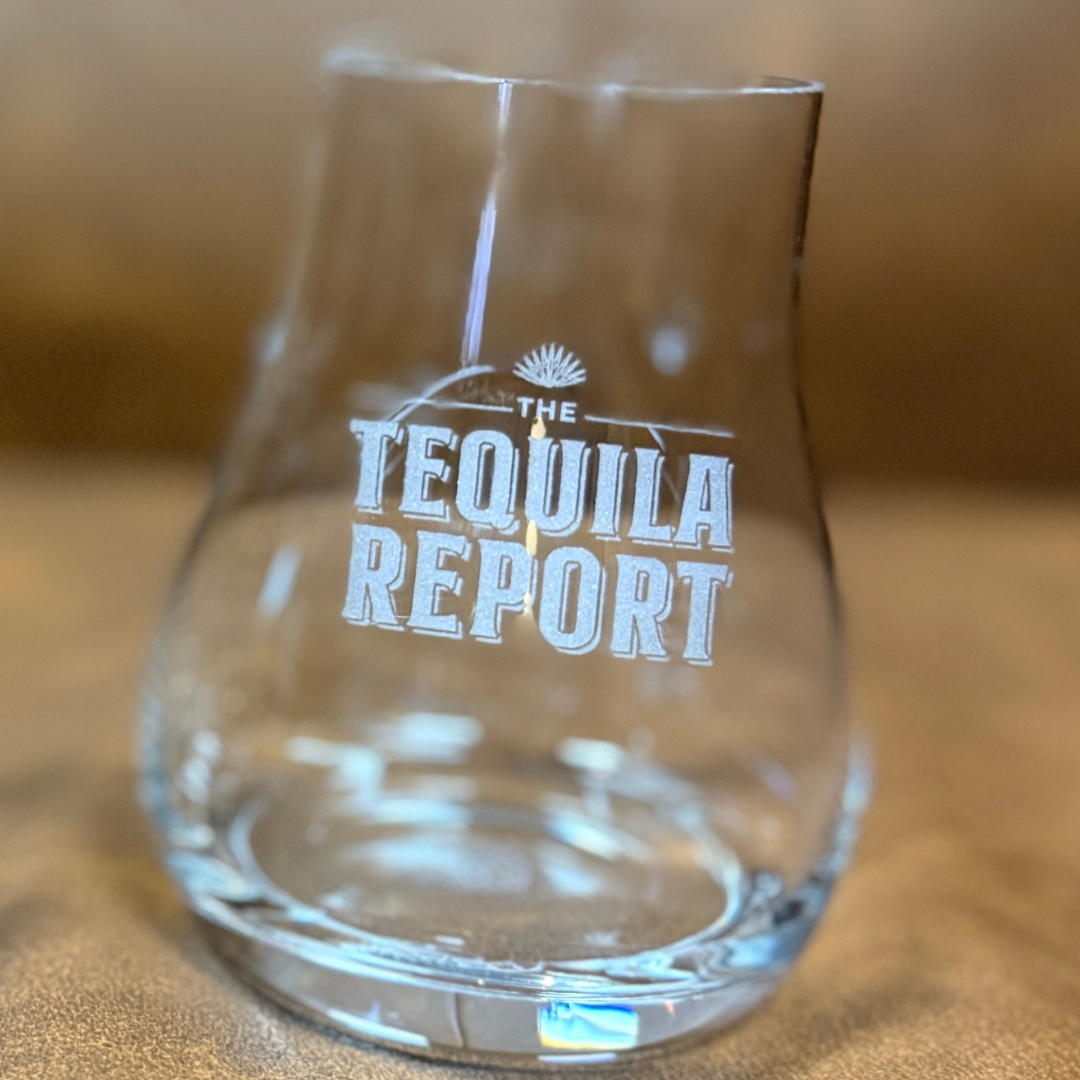
The Chisholm Trail jarritos come in two versions: one designed for spirits up to 44% ABV, and another engineered for higher-proof pours. The standard version works particularly well for blancos — a bulbous base paired with a narrower opening concentrates aromas nicely. The high-proof version, however, can sometimes over-concentrate, tipping into sensory overload.
Two personal caveats from me: these glasses are thin even at the base, meaning the spirit warms quickly when held. They can be fragile if handled carelessly. Priced around $25, they’re a nice choice and you can get official Tequila Report versions too.
Best for: Blancos, thoughtful sipping, collectors who won't fumble them
Should You Ever Reach for a Snifter or Champagne Flute?

The snifter — traditionally a brandy glass — has a wide bowl and narrow opening that can enhance aromas, but with agave spirits, especially higher-proof expressions, it has a tendency to trap alcohol and mute nuances. I reserve snifters for heavily aged pours, where the extra warmth and concentration can work in the spirit's favor. Prices start around $15.
The champagne flute is one of the most commonly seen glasses at industry tastings. Its narrow, elongated shape drives aromas upward — but it can also trap alcohol and limit how fully the spirit opens. Easy to find anywhere, occasionally available at a dollar store. It works in a pinch.
Best for: Snifter — aged añejos and extra añejos. Flute — events and tastings where options are limited.
The Bottom Line: Intention When It Counts, Enjoyment Always
Not every pour needs to be analyzed. Sometimes the best glass is simply the one that fits the moment — the glass in your hand while sharing a bottle with friends, the paper cup at an outdoor event, the red Solo cup at a backyard gathering. Agave doesn't need more rules. It needs more understanding and more respect.
Glassware can enhance the experience. It can shift how a spirit presents itself. But it doesn't define the spirit — and it doesn't define you as a drinker. What matters is knowing what your glass is doing, and making intentional choices when the moment calls for it.
Tequila Glass Comparison Quick Reference
Glass | Best Use | Price Range |
|---|---|---|
Copita | Tradition, everyday sipping | Varies |
Veladora | Casual enjoyment, social | $8–$30 |
Glencairn | Evaluation, scoring | ~$10 |
Wine Glass | Aged pours, improvising | Varies |
Denver & Liely Agave Glass | High-proof expressions | ~$45 |
Chisholm Trail Jarritos | Blancos, careful sipping | ~$25 |
Snifter | Heavily aged expressions | $15+ |
Champagne Flute | Events, limited options | $1–$20+ |
About the Author: Brad Buskirk is a contributor to The Tequila Report and an agave spirits enthusiast with a particular focus on evaluation methodology and tasting practice. He brings a hands-on, experience-driven perspective to everything he reviews. Follow him on Instagram.
